Resources for life with your baby
Sleep
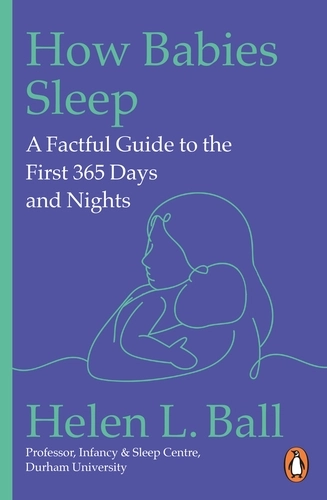
A factful guide to the first 365 days and nights.
This book will give you some excellent insights into how and why babies sleep the way they do.
Its a reassuring and straightforward review of research and knowledge.
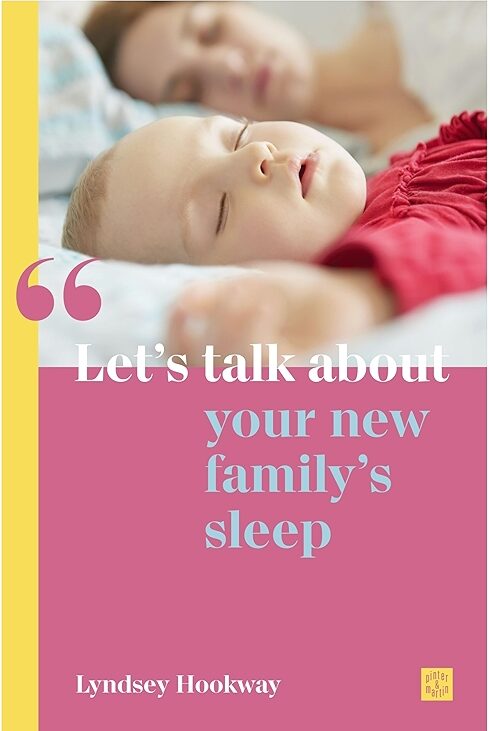
This gentle and holistic guide is sure to allay many parents’ fears and help everyone in the family get the rest they need.
Supporting your baby’s development
The Institute of Health Visiting has resources on getting to know your baby, with tips on understanding your baby’s behaviour and taking care of yourself:
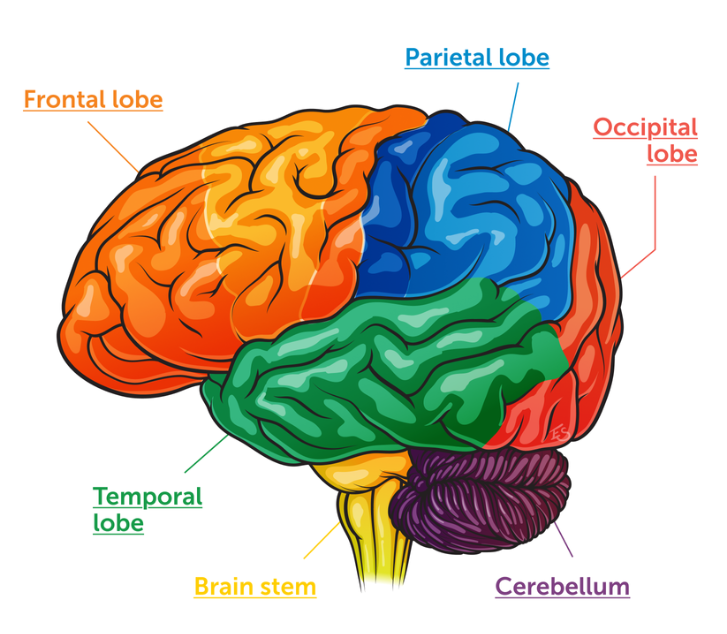
The Baby Brain Map is a developmental scientist-approved tool that equips you to understand more about how to support your baby (babies) during the critical window of infant brain development up to age 3 years old.
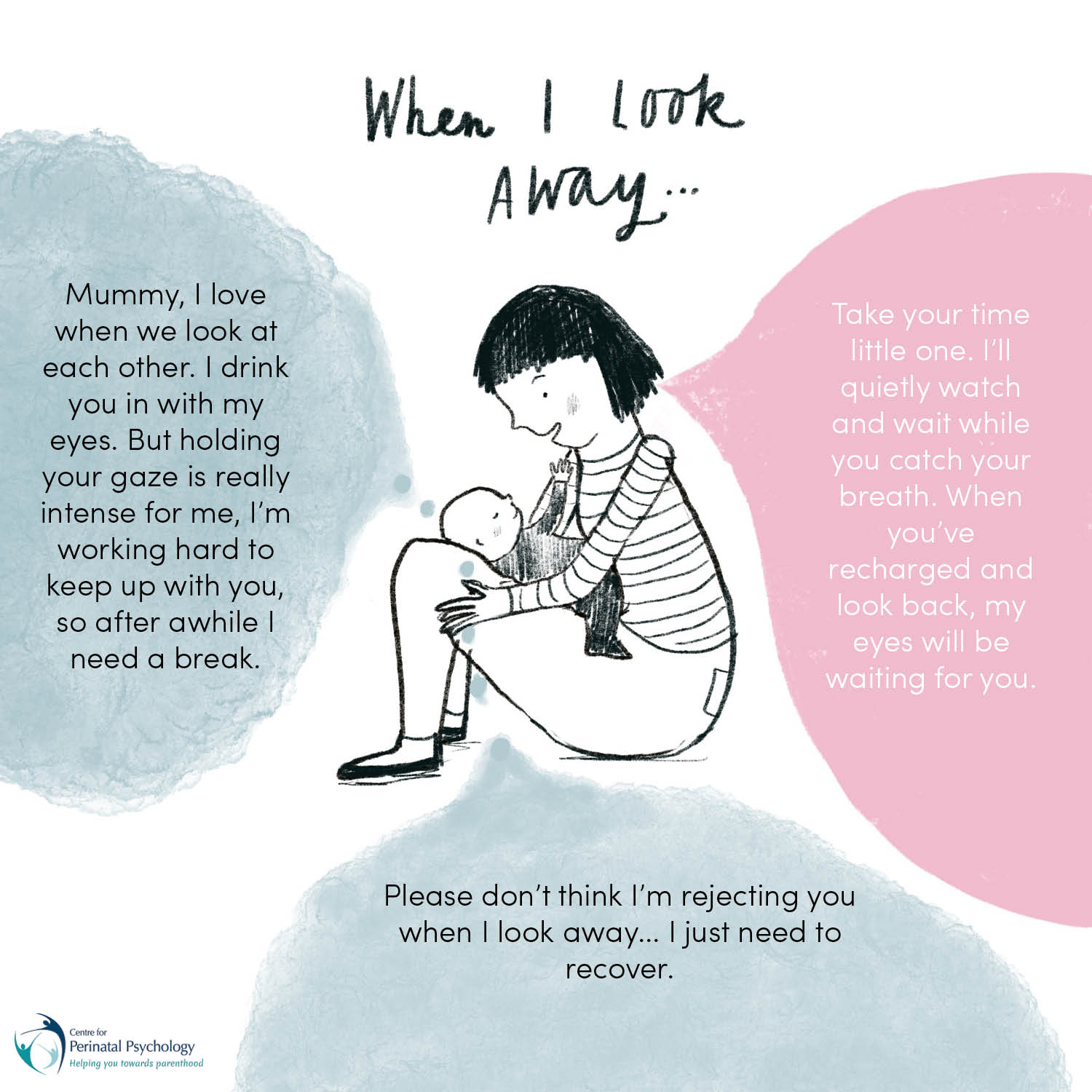
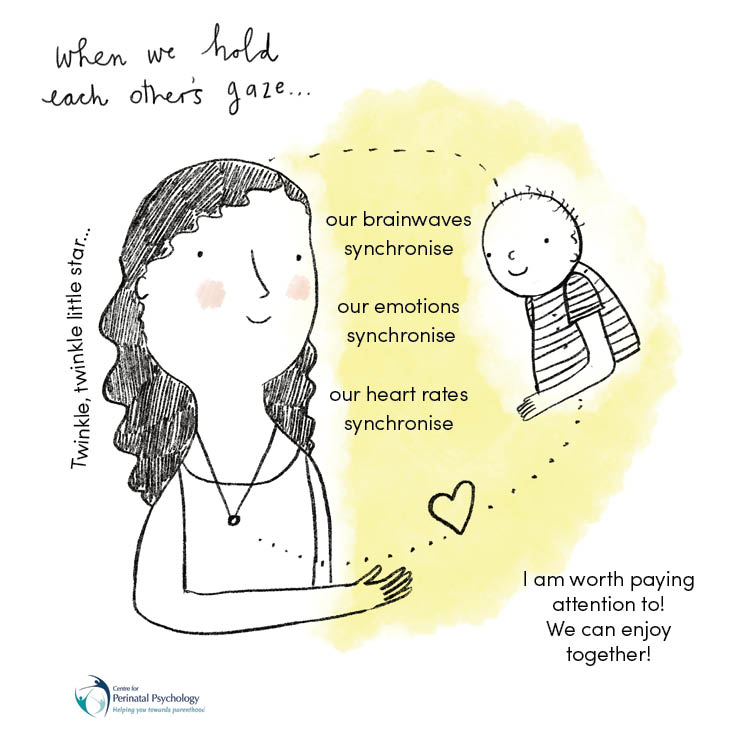
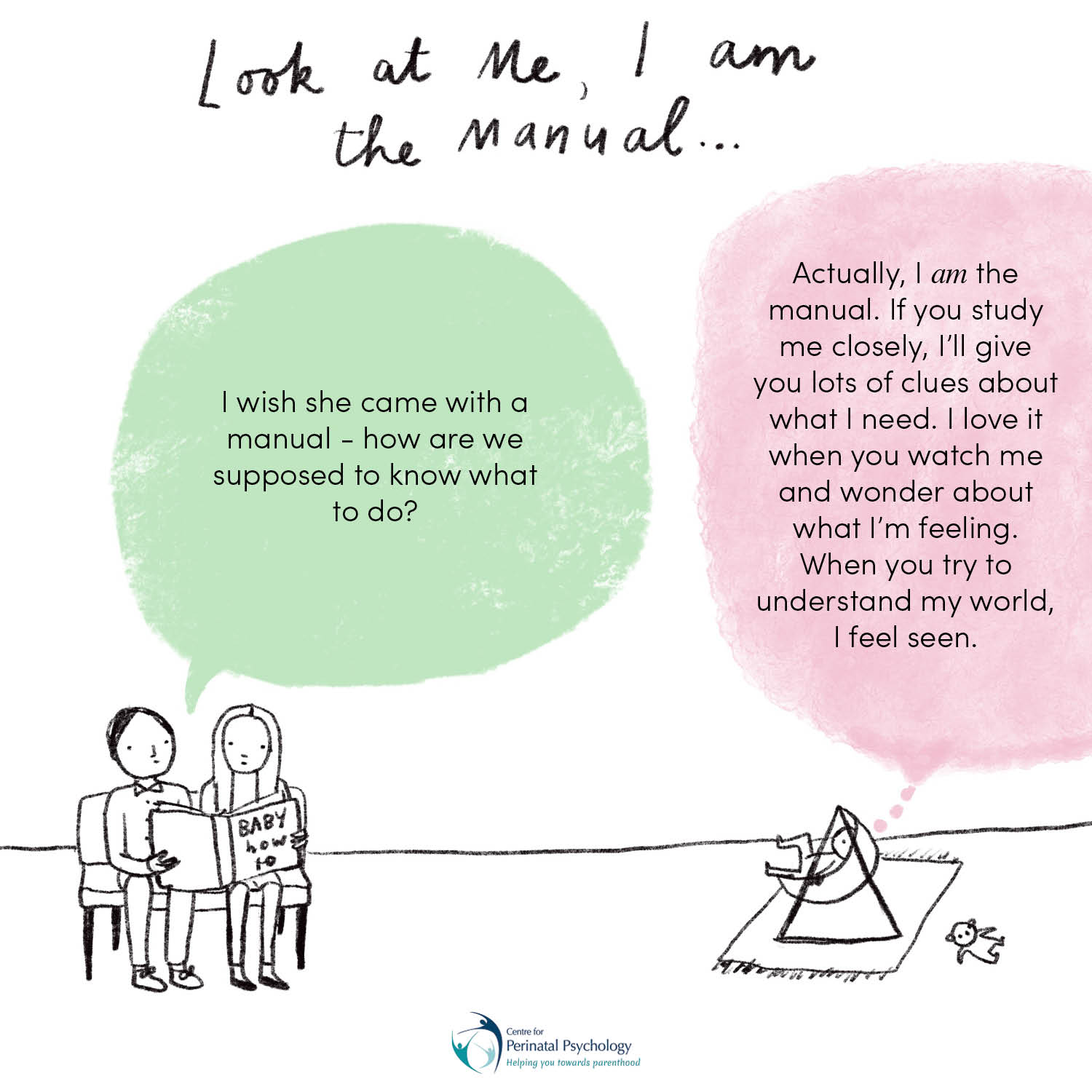
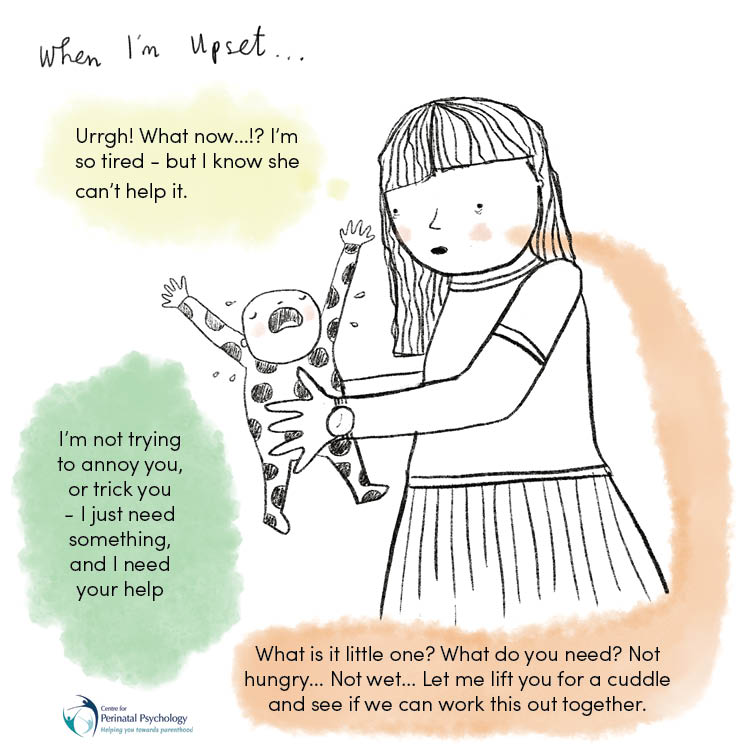
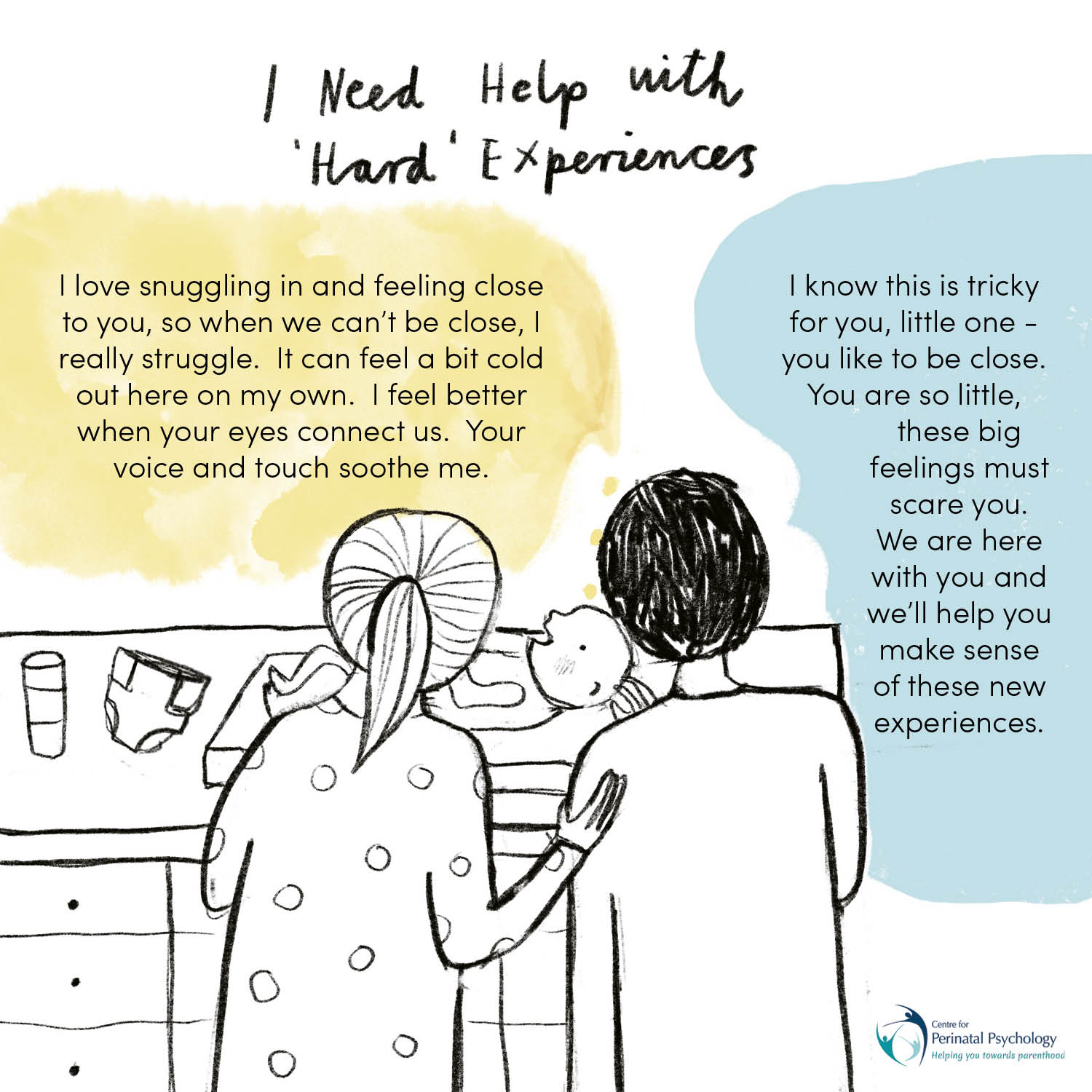
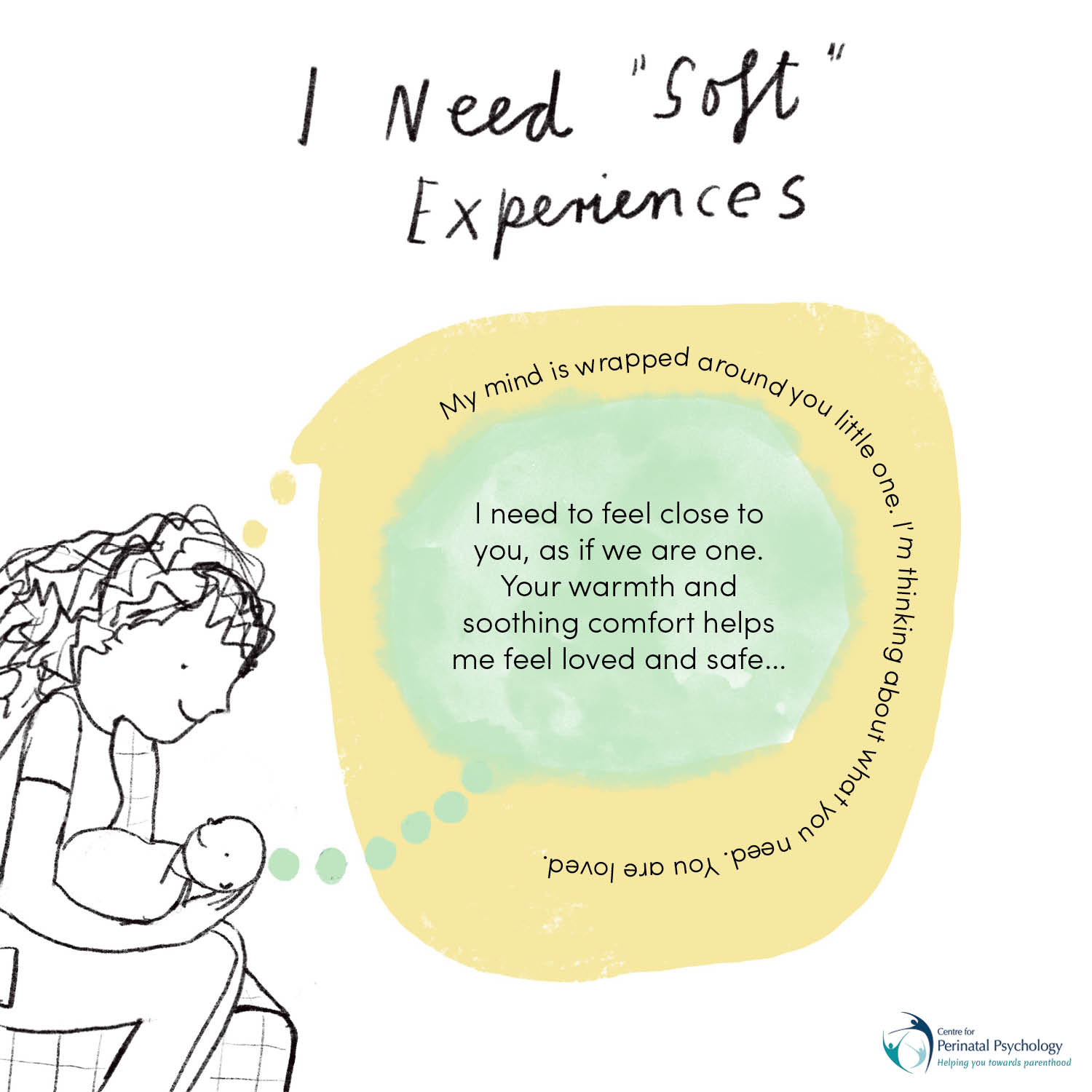
Curiously wonder about what is going on inside for your baby? We like to wonder about their minds – what they might be sensing, feeling, thinking, wanting, needing, experiencing. And if we were to put that into words, well, we’d
be ‘
speaking for the baby’!
Scroll down the page for a collection of
resources and activities that will help you and your baby get to know each other:
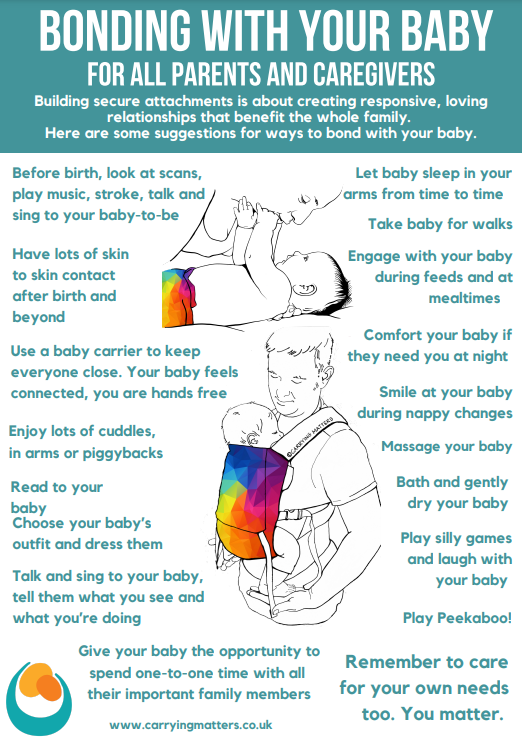
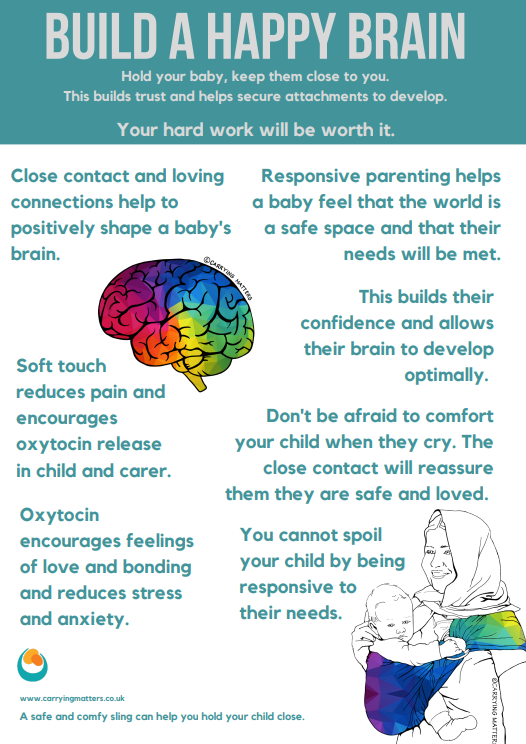
Taking care of a baby’s physical needs


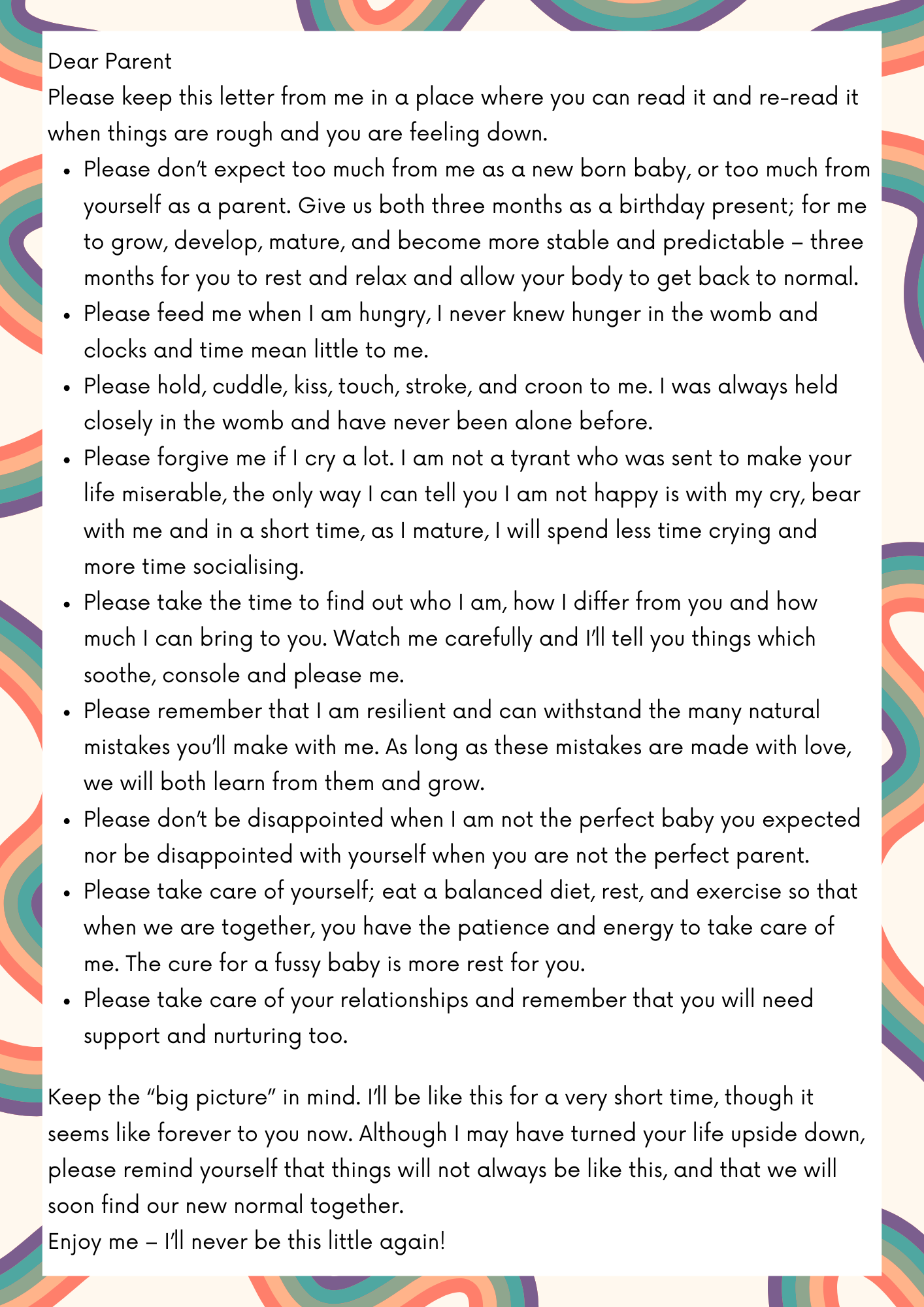
Taking care of yourself
Rest, relax and recuperate, take time out.
Eat the food that makes you feel good.
Chores? Can you get help? What can be left?
Optional, make choices about what’s important.
Visitors, who and when?
Emotional, give yourself time to think and feel.
Receive nurturing support.
You are important, take care of yourself.